
The Science of Longevity: How to Age with Vitality
Aging is a universal constant, but the way we age is remarkably personal. While it is often portrayed as an inevitable decline—a slow fading of vitality—modern science suggests a far more empowering perspective. Although chronological aging is fixed by time, biological aging is flexible and responsive to how we live.
The choices we make daily—how we move, what we eat, how we rest, and how we care for our bodies—shape the pace at which our cells age. Longevity is not determined by a single product or habit. Instead, it emerges from an integrated understanding of the body as a whole.
This is especially true for the skin. Skin health cannot be separated from the systems that sustain it. Our metabolism, circulation, immune system, hormones, and cellular repair processes all contribute to how our skin functions and ages. When these internal systems are supported, the skin reflects that balance.
Longevity, therefore, is not about chasing immortality. It is about expanding our healthspan—the years we spend vibrant, capable, and resilient.
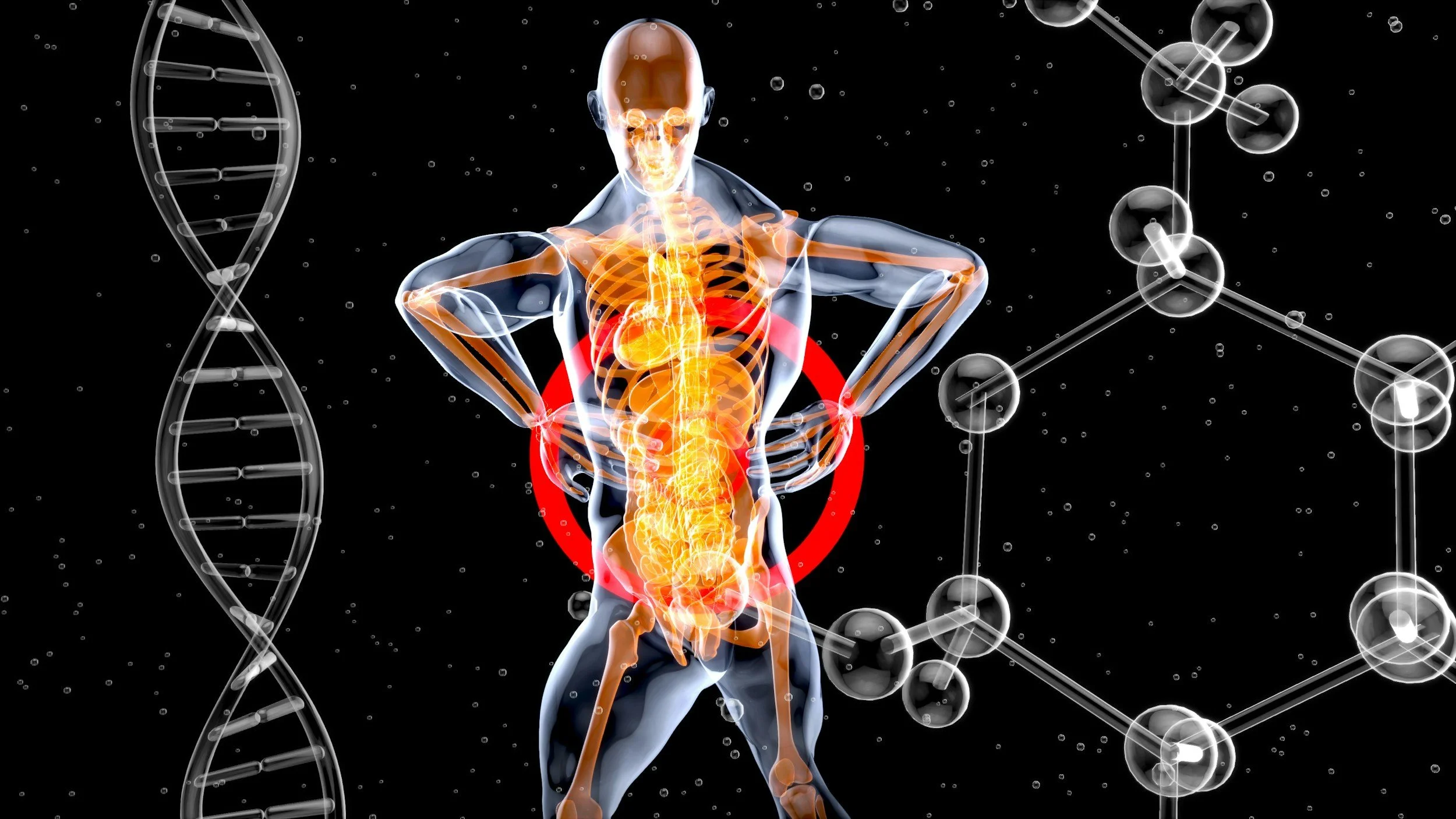
Defining Healthspan
Healthspan refers to the portion of life lived in good health, free from the chronic conditions that often accompany aging. While lifespan measures how long we live, healthspan measures how well we live.
Because aging is a systemic biological process, internal vitality and outward appearance are deeply connected. The changes that occur within our cells eventually become visible in the tissues of the body—particularly the skin. As the largest organ of the body, the skin often becomes the first place where these internal shifts appear.
The Biology of Aging: What Happens Inside the Body
From a scientific perspective, aging involves a gradual decline in the body's ability to maintain and repair itself. Researchers often describe these processes through the hallmarks of aging.
Genomic Instability and Epigenetic Alterations
Our DNA serves as the blueprint for cellular function. While DNA is the hardware of our life, epigenetics is the software. We cannot change the code we were born with, but through movement and nutrition, we can choose which programs are "running." Environmental signals influence how genes are expressed, meaning lifestyle choices directly affect the rate at which our biology ages.
Cellular Senescence
Damaged cells do not always die as they should. Instead, some enter a state known as cellular senescence, or "zombie cells," where they stop dividing but remain metabolically active. These cells release inflammatory signals that disrupt surrounding tissues. In the skin, this contributes to reduced collagen production and slower healing.
Mitochondrial Dysfunction
Mitochondria generate the energy required for nearly every cellular process. When mitochondrial efficiency declines, cells produce less energy while accumulating more oxidative stress. Because regeneration requires energy, mitochondrial health is the engine behind tissue resilience.
Loss of Proteostasis
The body constantly produces and recycles proteins like collagen and elastin. With age, this recycling system becomes less efficient, leading to structural damage that manifests as a loss of elasticity and strength.
Inflammaging: The Silent Driver of Decline
One of the most powerful drivers of aging is chronic low-grade inflammation, often referred to as inflammaging. Unlike acute inflammation, which helps the body recover from injury, inflammaging gradually damages tissues over time. It accelerates oxidative stress, weakens connective tissue, and contributes to visible aging. Reducing inflammation through nervous system regulation and nutrition helps preserve both internal vitality and tissue integrity.
Muscle: The Currency of Longevity
If there is a fountain of youth hidden within the body, it may be found in skeletal muscle. Muscle is not simply responsible for movement; it functions as a powerful endocrine organ.
During physical activity, muscles release signaling molecules known as myokines. Think of resistance training as a systemic facial. By stimulating myokines, you are essentially sending a "repair signal" from your quads and glutes directly to your dermal fibroblasts, encouraging skin thickness and mitochondrial health.

Metabolic Health & Glycation
Muscle tissue is the primary site where glucose is processed. When muscle mass is preserved, insulin sensitivity improves. This helps protect collagen from glycation, a process where excess sugar damages collagen fibers, leading to what is often called "sugar sag."
Nutritional Architecture: Building from Within
The body requires biological building blocks to repair tissue. This is where nutrition and targeted supplementation become vital.
Structural Support: Amino acids such as glycine, proline, and lysine provide the raw materials for the skin’s dermal layer.
Cellular Energy: Nutrients such as B-vitamins, alpha-lipoic acid, and nicotinamide derivatives (NAD+ precursors) help support mitochondrial energy, allowing cells to repair damage efficiently.
Metabolic Balance: Minerals like zinc and chromium support immune regulation and stable blood sugar, while glutamine maintains the integrity of the gut lining—the foundation of nutrient absorption.
The Skin Barrier and Microbiome
Healthy skin is not defined by collagen alone. The skin barrier and its resident microbiome—the diverse ecosystem of beneficial bacteria—act as the first line of defense. A resilient microbiome protects against environmental stress and prevents the "leaky skin" that triggers localized inflammation. Supporting this ecosystem through thoughtful skincare and internal health maintains long-term resilience.
Somatics and the Nervous System
Longevity is heavily influenced by the autonomic nervous system. When the body remains in a constant state of "fight or flight," it produces excess cortisol. High cortisol levels are known to actively break down collagen and inhibit repair.
Practices such as breathwork, meditation, and yoga increase parasympathetic activity, shifting the body toward states of rest and repair. These somatic practices allow the body to redirect energy away from stress and toward regeneration.
Sleep: The Master Regulator
Sleep remains the most powerful tool for longevity. During deep sleep, the body carries out essential cellular repair and hormonal recalibration. Consistent, high-quality sleep supports mitochondrial function and enhances the body’s ability to regenerate every tissue, from the brain to the skin.
The Future of Skin Longevity
The future of skincare is shifting beyond temporary cosmetic fixes. Emerging research views the skin as an organ deeply connected to metabolic health and cellular repair. In this framework, skin longevity is supported through an integrated approach:
Movement and Strength Training to signal systemic repair.
Nutrient-Dense Nutrition to provide cellular building blocks.
Restorative Sleep to allow for hormonal restoration.
Nervous System Regulation to manage the collagen-depleting effects of stress.
Aging with Intelligence
Longevity is not about resisting time; it is about understanding how the body works and supporting it intelligently. Beauty is not a surface-level pursuit; it is the visible "side effect" of a body that functions with biological integrity.
When we support the body's natural systems, we create the conditions for vitality. The goal is not just to live longer—it is to live stronger, healthier, and more vibrantly.
Because aging well is not simply about adding years to life; it is about adding life to those years.